Black Cat Boo Review
As a designer and embroidery product reviewer, I often find myself evaluating digital designs for their real-world usability. Black Cat Boo is one such design that caught my attention with its spooky yet charming aesthetic. It’s a digital file that promises versatility, but how does it hold up in actual embroidery projects? Let’s dive into the details.
First Impressions: Mood and Visual Personality
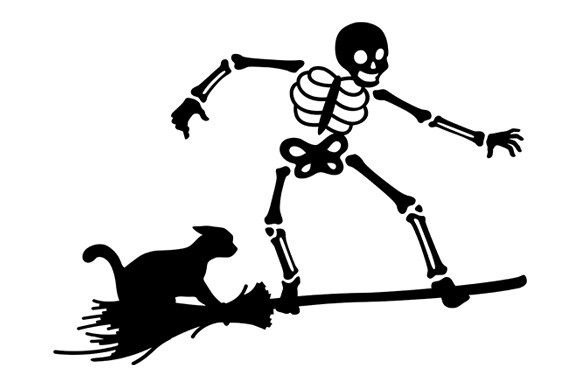
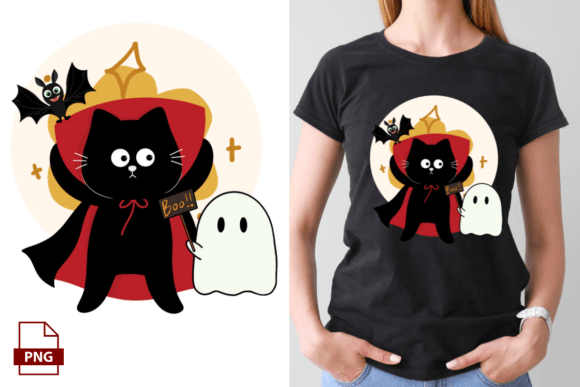
From the moment I opened the Black Cat Boo design, I was struck by its bold, stylized silhouette. The cat is rendered in a simple but effective line work, with a few subtle shading elements that give it a bit of depth. The overall mood is playful and slightly mysterious—perfect for Halloween themes or spooky-themed crafts. The layout is clean, making it easy to place on a variety of items without feeling cluttered.
The design’s simplicity makes it adaptable. It can be used as a standalone motif or paired with other elements like pumpkins, ghosts, or bats. Its transparent background allows for flexibility in placement, which is a big plus for custom apparel, tote bags, and other embroidered items.
Real-World Embroidery Performance
When testing Black Cat Boo on different fabrics, I found it works best on medium-weight materials like cotton or polyester blends. On lighter fabrics, the design tends to show through slightly, so a good stabilizer is essential. For thicker materials like denim or canvas, the design holds up well without distortion.
One of the key factors in embroidery is stitch density. Black Cat Boo has a moderate amount of detail, which means it doesn’t require an excessive number of stitches. This makes it ideal for machine embroidery designs that need to be completed quickly without overworking the fabric. However, the design does have some areas with dense stitching, particularly around the eyes and ears, which could be a concern on thin or stretchy fabrics.
For custom apparel, such as sweatshirts or t-shirts, Black Cat Boo is a solid choice. It looks great in both light and dark thread colors, allowing for creative color combinations. On baby clothes, the design is simple enough to avoid overwhelming small spaces, and it adds a cute, whimsical touch to onesies or sleepers.
Where to Use Black Cat Boo Carefully
While Black Cat Boo is versatile, there are certain situations where caution is needed. Small hoop sizes can be problematic because the design requires a bit of space to maintain its clarity. If you’re working on a cap or a hat, you might need to split the design into sections or use a larger hoop.
Textured fabrics, such as fleece or knit, can cause the design to look less crisp. A proper stabilizer is crucial here to prevent the stitches from sinking into the fabric. Similarly, on stretchy or thin materials, the design may pucker or distort if not properly secured.
For holiday gifts or personalized products, Black Cat Boo is a hit. It’s perfect for embroidered patches, pillow covers, or tea towels. However, if you're planning to use it on a layered garment or a curved surface, you’ll need to adjust the design accordingly to ensure it sits flat and looks natural.
Impact on Visual Appeal and Customer Trust
When it comes to visual appeal, Black Cat Boo delivers a strong, recognizable image that stands out on any background. Its clean lines and clear shape make it easy to identify, which is important for brand consistency and customer recognition. For small shop products or Etsy listings, this design can add a professional touch that sets your items apart.
Stitching clarity is another factor to consider. While the design is generally well-detailed, some fine lines may fade or blur on certain fabrics. Testing the design on scrap material before committing to a final project is always a good idea. This helps ensure that the finished product meets your expectations and those of your customers.
For handmade products, Black Cat Boo offers a sense of quality and thoughtfulness. It’s a design that feels crafted rather than generic, which can increase customer trust and satisfaction. Whether you’re selling at a craft fair or online, a well-executed embroidery project using this design can elevate your brand and attract more buyers.
Practical Designer Notes
Before using Black Cat Boo in any project, I recommend testing it on different fabrics and thread colors. This will help you understand how it behaves in real conditions. Also, check the stitch density to make sure it’s suitable for your machine and the type of fabric you’re using.
When working with commercial embroidery projects, it’s important to confirm the licensing terms. Make sure the design is suitable for resale or redistribution, depending on your business model. For printable mockups or digital product previews, the transparent background is a huge advantage, as it allows for easy integration into various templates.
Finally, remember that every design has its strengths and limitations. Black Cat Boo is a great option for many embroidery projects, but it’s not a one-size-fits-all solution. By understanding its capabilities and limitations, you can make informed decisions that lead to better results and happier customers.