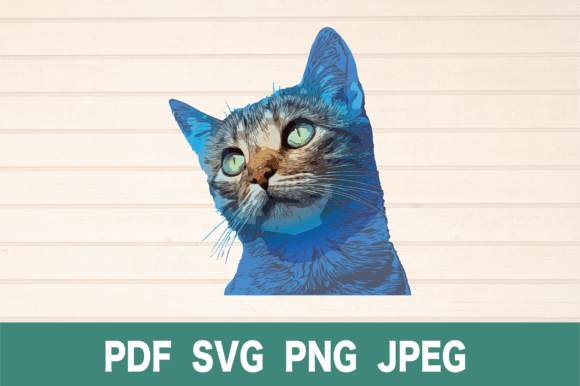
Blue Cat Embroidery Design Review
The First Impression of Blue Cat
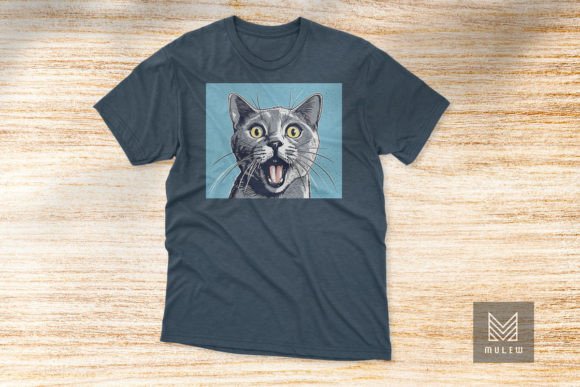
From the moment I laid eyes on Blue Cat, it immediately evoked a sense of charm and playfulness. The design is centered around a stylized cat, rendered in clean vector lines that suggest a modern, minimalist aesthetic. The layout is balanced, with the cat positioned to draw attention without overwhelming the space. It’s a design that feels both approachable and versatile, making it an ideal candidate for a wide range of embroidery projects.
The theme is clearly cat-centric, but it doesn’t lean too heavily into whimsy. Instead, it maintains a subtle sophistication that could work well in both casual and more refined settings. The level of detail is just right—enough to make the design recognizable and engaging, but not so intricate that it becomes impractical for most embroidery machines.
Blue Cat in Real-Life Embroidery Projects
When considering where Blue Cat would fit best, I see it as a strong choice for custom apparel, particularly tote bags, sweatshirts, and baby clothes. Its simplicity makes it adaptable to various fabric types, and the overall shape allows for clear stitching without excessive complexity.
For example, imagine using Blue Cat on a tote bag design. The cat’s form would stand out nicely against a light-colored fabric, and the clean lines would ensure that the embroidery looks sharp and professional. Similarly, on a sweatshirt, the design would add a touch of personality without being too bold or distracting.
Blue Cat also has potential for use in baby items, such as onesies or blankets. The gentle, cartoonish style would be appealing to parents looking for a soft, friendly design. It could even work as an embroidered patch for a jacket or backpack, adding a personal touch to everyday wear.
Where to Use Blue Cat with Caution
While Blue Cat is generally a solid design, there are some situations where caution is warranted. For instance, if you’re working with small hoop sizes, the design might need to be resized or split to fit properly. Thin or stretchy fabrics could also pose challenges, as they may not hold the stitches as well as heavier materials.
On dark fabrics, the contrast between the cat and the background might be less effective unless you choose a thread color that stands out. Additionally, if you’re planning to embroider on curved surfaces like caps or hats, the design might require some adjustment to ensure it sits correctly on the curve.
For projects that involve frequent washing, such as tea towels or children’s clothing, it’s important to test the design’s durability. High stitch density areas could become stiff over time, so checking the design’s performance after multiple washes is a good idea.
Impact on Visual Appeal and Customer Perception
Blue Cat has the potential to elevate the visual appeal of any project it’s used on. Its clean, modern look can add a touch of personality to handmade products, making them more attractive to customers. When used on personalized gifts or custom apparel, the design can help create a sense of uniqueness that sets a product apart from mass-produced alternatives.
From a commercial standpoint, the design could enhance the perceived value of a finished product. A well-executed embroidery project featuring Blue Cat could increase customer trust, especially if the design is consistent with the brand’s identity. This consistency is key for small shop products or Etsy listings, where visual cohesion plays a big role in buyer engagement.
As a digital product, Blue Cat could also serve as a valuable asset for craft businesses looking to expand their offerings. Whether used in printable mockups or as part of a larger design collection, its versatility makes it a practical addition to any embroidery file library.
Practical Notes for Embroidery Designers
Before jumping into a full project, I always recommend testing the design on scrap fabric. This helps identify any issues with stitch density, thread color contrast, or stabilizer needs. For Blue Cat, this step is especially important to ensure that the design translates well to different fabric textures and colors.
Another consideration is the design’s compatibility with various embroidery machines. While the exact file formats or hoop sizes aren’t specified, it’s always wise to confirm these details before proceeding. If the design includes elements like applique or satin stitch, it’s crucial to check how those will perform on your specific machine.
Finally, if you plan to sell finished products or digital files featuring Blue Cat, be sure to review the licensing terms. Ensuring that you have the proper rights to use and distribute the design is essential for maintaining professionalism and avoiding legal issues.
Conclusion: A Versatile and Lovable Design
Overall, Blue Cat is a thoughtful and adaptable embroidery design that offers a lot of potential for creative use. Its clean lines, playful theme, and balanced composition make it suitable for a wide range of projects, from custom apparel to personalized gifts. With careful consideration of fabric type, hoop size, and stitch density, it can be a reliable addition to any embroidery project.
Whether you're an Etsy seller, a small shop owner, or a hobbyist looking to expand your craft business, Blue Cat is worth exploring. Its charm and flexibility make it a great choice for both personal and commercial use, provided you take the necessary steps to ensure it works well in practice.