Japanese Lucky Cat Sakura Torii
As an embroidery designer and product reviewer, I’ve evaluated countless digital designs for real-world use. Japanese Lucky Cat Sakura Torii caught my attention not just for its aesthetic appeal but for how it could translate into practical embroidery projects. This design has a clear visual personality that feels both traditional and modern, making it a versatile choice for a range of handmade and commercial applications.
First Impressions: A Design with Character
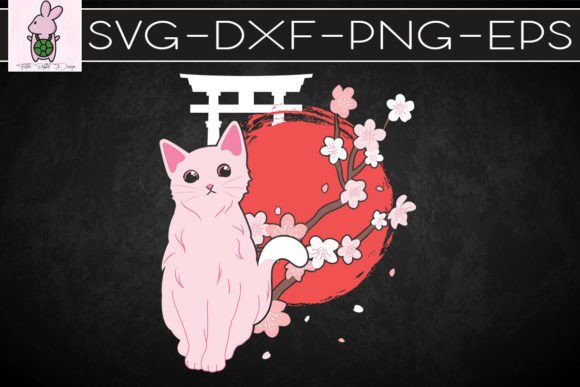
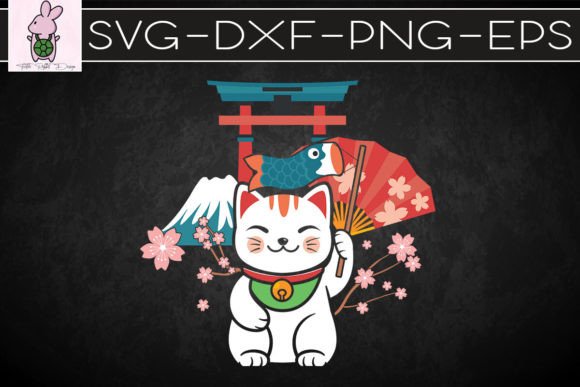
The Japanese Lucky Cat Sakura Torii design immediately evokes a sense of whimsy and cultural charm. The image features a small, smiling cat standing in front of a torii gate, surrounded by cherry blossom petals. The layout is clean, with a strong central focus on the cat and the torii, while the floral elements add softness and balance.
The level of detail is moderate—enough to make the design visually engaging without being overly complex. It’s ideal for embroidery projects that require a bit of intricacy but still need to maintain clarity when stitched out. The design feels like it belongs in a custom apparel or home decor project, where subtle yet meaningful imagery can elevate the overall look.
Real-World Embroidery Performance
When considering how Japanese Lucky Cat Sakura Torii performs in real-life embroidery situations, it’s important to think about the type of fabric and the intended use. For custom apparel like tote bags, sweatshirts, or baby clothes, this design would work well if the hoop size allows for proper placement and stitching.
On thicker fabrics like cotton or denim, the design should hold up without distortion. However, on thinner or stretchy materials, careful attention to stabilizer use is essential. The design doesn’t have any extremely fine details that would be lost on textured surfaces, but it also isn’t designed for high-density stitch areas.
For embroidered patches, the design translates nicely, especially when using a satin stitch for the cat and fill stitches for the background. The overall shape remains consistent, and the design doesn’t get too crowded in smaller sizes.
Where to Use It Carefully
While Japanese Lucky Cat Sakura Torii is a great design, there are some scenarios where it may not perform as well. On small hoop sizes, the design might feel cramped, especially if the user is trying to fit it in a tight space. For curved surfaces like caps or hats, the design may require slight adjustments to ensure even stitching and proper alignment.
On dark fabrics, the contrast between the design and the background is less pronounced. If the design is meant to be visible on darker materials, consider adjusting the thread colors or using a lighter background. Similarly, on thin or stretchy fabrics, additional stabilizer support is recommended to prevent puckering or distortion.
The design also includes some delicate elements, such as the cherry blossoms. These may require careful handling during the embroidery process to avoid losing definition. If the design is part of a layered garment or a product with multiple layers, ensure that the design is placed in a way that won’t interfere with other elements.
Impact on Visual Appeal and Product Value
Japanese Lucky Cat Sakura Torii adds a unique touch to any embroidery project. Its cultural significance and visual appeal make it a strong candidate for personalized gifts, holiday items, or boutique merchandise. When used on custom apparel or home decor, it can significantly enhance the perceived value of the finished product.
From a customer perspective, this design is likely to be well-received, especially if it aligns with the target audience’s interests. For Etsy sellers or small shop owners, it offers a ready-made design asset that can be easily adapted to different products. The design’s simplicity makes it easy to incorporate into a brand’s visual identity without overwhelming the overall look.
For commercial embroidery projects, the design’s clarity and consistency are key advantages. It can be used as a printable mockup or as part of a digital product preview, helping to build trust with potential buyers. The design also supports the handmade presentation, offering a professional yet approachable aesthetic that appeals to a wide range of customers.
Practical Designer Notes
Before using Japanese Lucky Cat Sakura Torii in a project, I always recommend testing it on scrap fabric. This helps determine how the design looks in real life and whether any adjustments are needed. Check the thread color contrast, especially if the design will be used on dark or light backgrounds.
Review the stitch density to ensure that the design isn’t too dense or too sparse. Confirm the appropriate hoop size for your machine and inspect the small details to make sure they’re visible and well-defined. Test the design in black and white mockups to see how it looks without color, and compare it against different fabric backgrounds.
Use the right stabilizer for the fabric type, and make sure the design works for both personal and commercial use. Always confirm the licensing terms before selling finished items or digital products. This ensures that you’re compliant and avoids any legal issues down the line.
Conclusion: A Versatile Design for Creative Projects
Japanese Lucky Cat Sakura Torii is a design that balances charm with practicality. It’s suitable for a wide range of embroidery projects, from custom apparel to handmade gifts and small business merchandise. While it requires some care in certain applications, its visual appeal and adaptability make it a valuable addition to any designer’s toolkit.
Whether you're an Etsy seller, a craft business owner, or a hobbyist looking to create unique products, this design offers a solid foundation for creative expression. With proper preparation and attention to detail, it can become a standout element in your next embroidery project.